Science Events
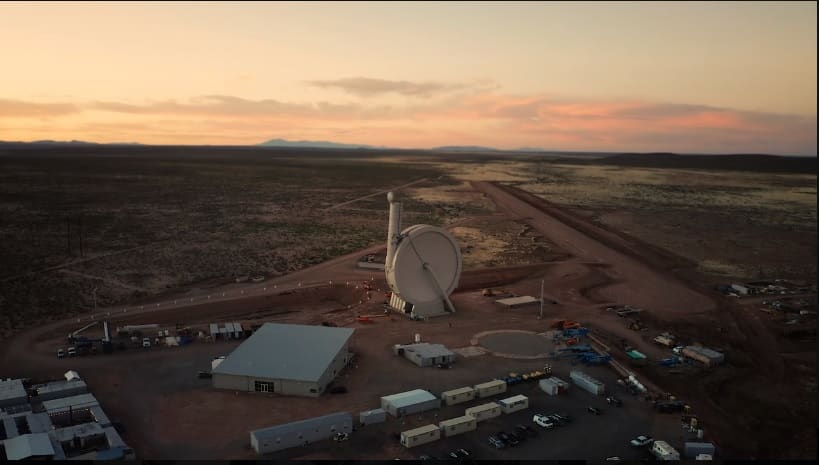
The world's first machine launches objects into space at a speed of 8,000 km/h
This machine is said to have a small cost and less impact on the environment than using traditional rockets. Expectedly, catapult
Browse ScienceInfo articles and explainers related to Discover The Universe.
86 published items.
This machine is said to have a small cost and less impact on the environment than using traditional rockets. Expectedly, catapult
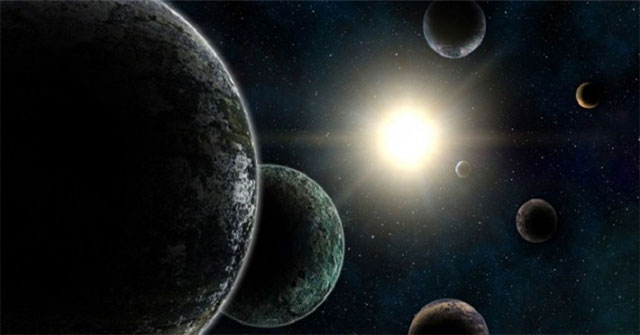
With 10 to 15 times stronger than NASA's Kepler telescope, the new Chinese satellite will find exoplanets in the habitable zone of a Sun-like star.
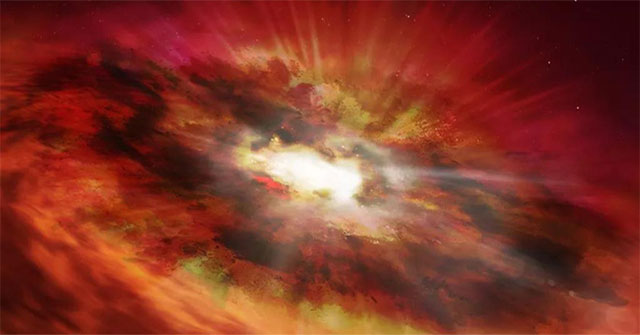
An image more than 13 billion years ago from an ancestor of monstrous black holes was captured by the NASA/ESA Hubble Space Telescope.

Cosmic relic from another dimension may be the invisible ghostly particles that make up the so-called dark matter that scientists around the world are pursuing.
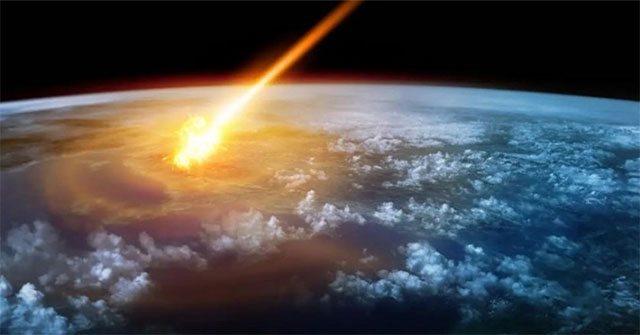
A fireball that ignited over Papua New Guinea in 2014 was a fast-flying object from another star system, according to a recent announcement by the US Space Command (USSC…
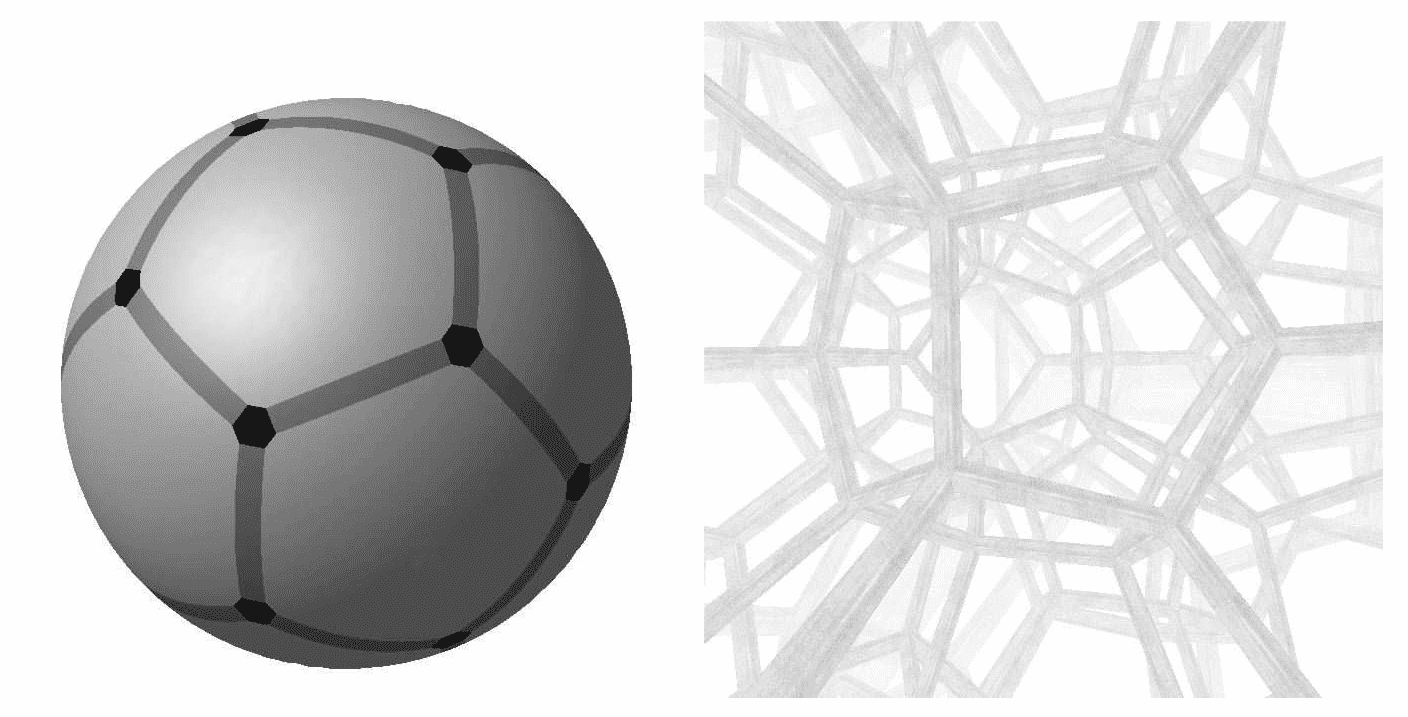
If people can go out and observe the Universe, then what shape will the Universe have and will the Universe have limits?
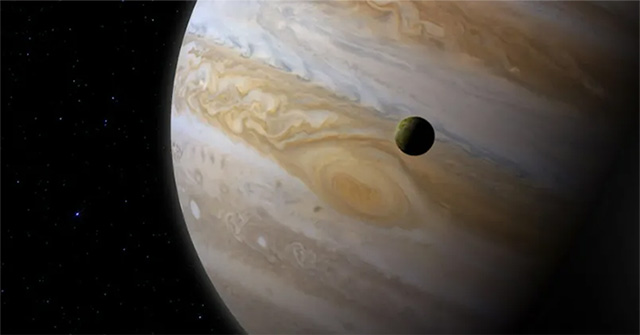
'A star is a spherical object in the plasma form, emitting light and resisting gravity by itself through nuclear fusion in its interior.'
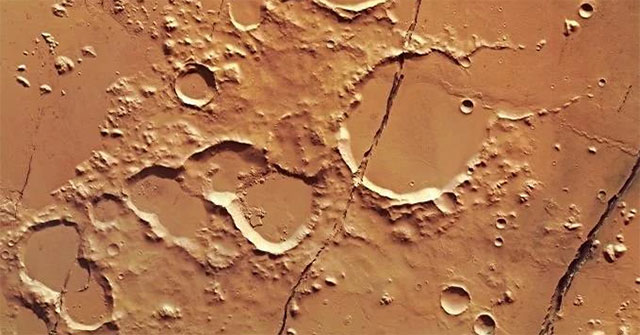
New evidence for Earth's neighbor planet - Mars - suggests it may be far from dead!
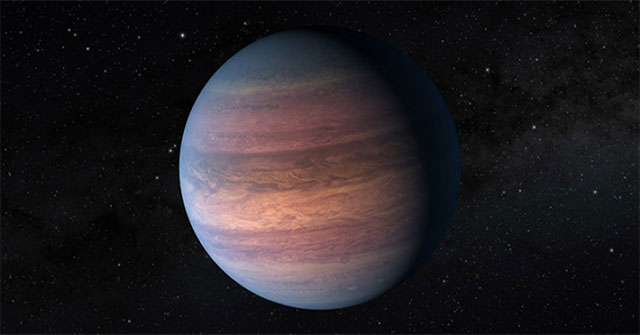
Analysis of a trove of old image data from the Kepler space telescope reveals a gas giant exoplanet very similar to Jupiter.
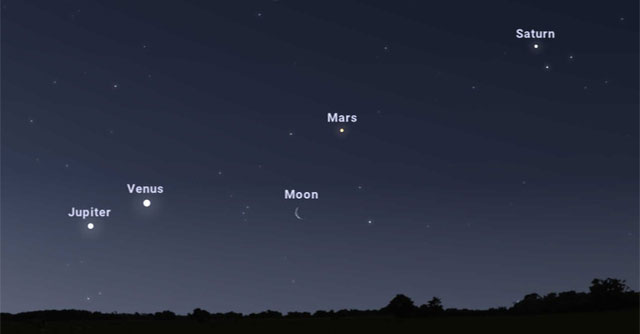
Entering April, Earth will have the opportunity to witness a beautiful scene in the sky, when 4 of the 5 brightest planets in the solar system appear to align in the ear…
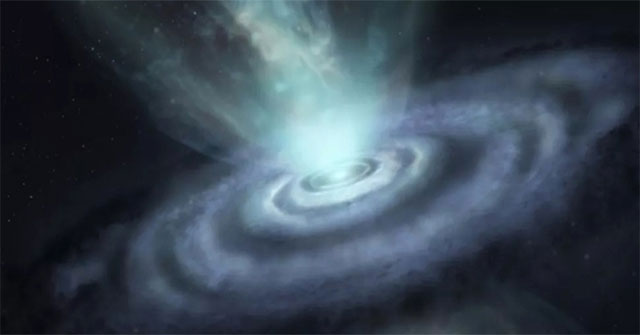
Astronomers have discovered that the red giant star V Hydrae is releasing strange smoke-like rings before exploding.
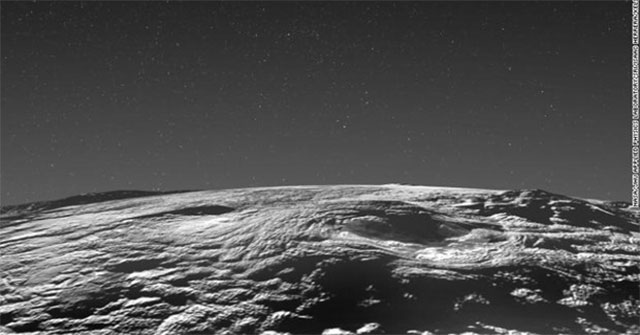
Ice volcanoes have been found to exist on a number of icy moons in the Solar System, however the ice volcanoes on Pluto have a different appearance from all other ice vo…
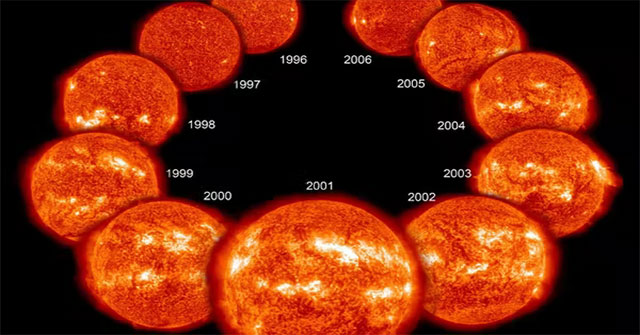
The 4-century mystery of a 70-year hiatus of the solar cycle is expected to be solved through the discovery of HD 166620, a star experiencing the same phenomenon.
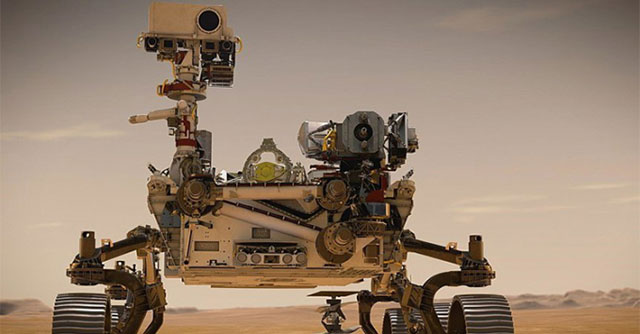
Based on data collected by NASA robots, scientists estimate that sound travels on Mars at a speed of about 864km/h.
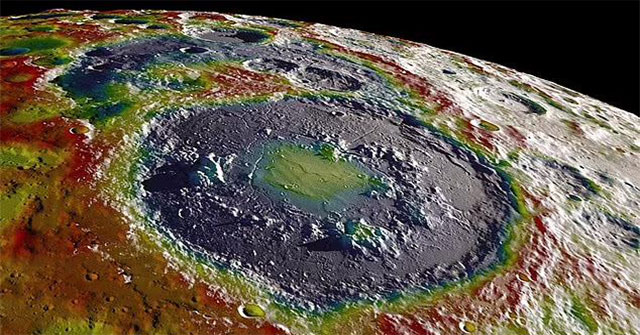
New research has found evidence of ice in permanently obscured impact craters on the Moon, which may have helped sustain the first extraterrestrial settlements.